Smart Roofing Systems: Materials, Maintenance, and Modern Performance
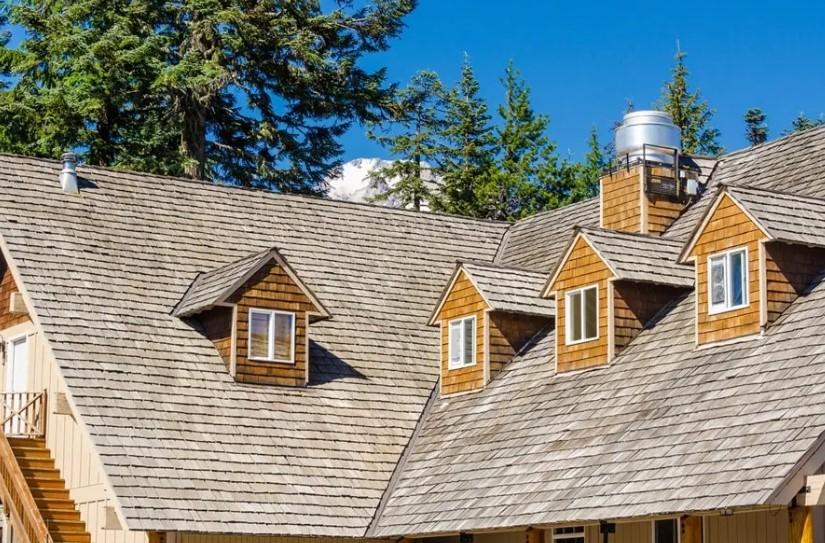
Roofing continues to advance as homeowners and property managers look for stronger protection, enhanced aesthetics, and improved energy efficiency from the top layer of their buildings.
Modern roofing materials shape today’s industry standards. Architectural asphalt shingles remain widely used for their affordability, durability, and design flexibility. Metal roofing systems, including standing seam and ribbed panels, are increasingly popular for their long lifespan and contemporary appearance. Advanced coatings now help resist fading, moisture, and algae buildup, extending the visual appeal of roofs. Beneath the surface, high-performance underlayments provide an added shield against water intrusion. Across both residential and light commercial applications, roofing solutions now blend style with performance, giving property owners reliable options suited to their environment.
Today’s roofs function as complete systems rather than isolated layers. Components such as decking, underlayment, starter strips, outer roofing materials, flashing, ventilation, and drainage systems must work together seamlessly. Flashing around critical areas like valleys, skylights, and chimneys helps block water from entering vulnerable points. Proper ventilation, with balanced intake and exhaust, reduces heat and moisture accumulation, improving both durability and indoor comfort. In areas prone to heavy rainfall, well-installed drip edges and properly aligned gutters ensure water is directed safely away, protecting the home’s structure and foundation.
Preventative Maintenance Matters
Routine maintenance plays a crucial role in preserving a roof’s lifespan. Simple actions—such as cleaning gutters, ensuring proper drainage, and removing debris—help prevent water buildup and damage. Seasonal inspections for loose shingles, worn flashing, or exposed fasteners allow early intervention before issues escalate. Chimneys and masonry should also be checked regularly, as small cracks can allow moisture to seep in. Professional inspections provide valuable insights, offering clear documentation and recommendations for maintaining both function and appearance.
Planning a Successful Roofing Project
A structured approach helps keep roofing projects efficient and stress-free. Consider these essential steps:
Define whether the project involves repair, partial replacement, or a full upgrade.
Select materials that align with the building’s design, climate, and maintenance expectations.
Evaluate ventilation and insulation requirements to enhance overall performance.
Ensure flashing and sealing details are addressed at all key transition points.
Establish timelines, communication plans, and cleanup expectations before work begins.
This organized method ensures clarity, minimizes disruptions, and helps achieve consistent results.
Choosing the Right Roofing Professional
A dependable contractor brings expertise, safety awareness, and precision to every project. Look for certifications, detailed estimates, and examples of past work. Ask about installation methods, ventilation planning, and material compatibility rather than focusing solely on appearance. Experienced professionals understand how all roofing elements work together to form a durable system. Clear communication, reliable timelines, and quality craftsmanship are key indicators of a trustworthy roofing partner.
Next-Generation Roofing: Durable Solutions for Efficiency and Curb Appeal
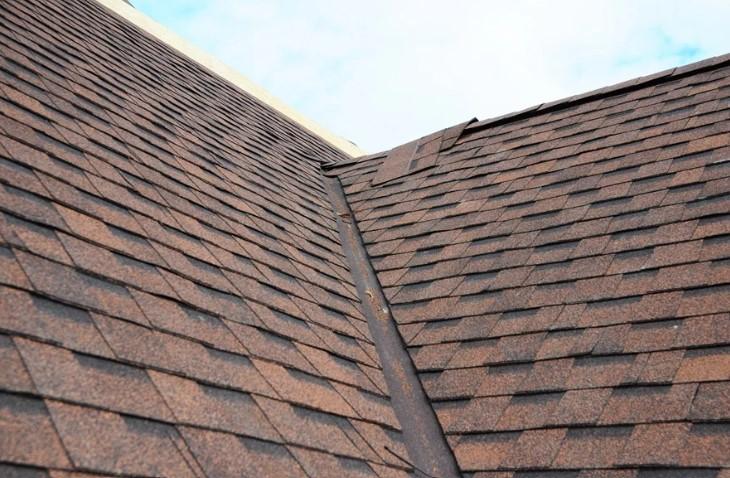
The roofing industry continues to evolve as property owners seek solutions that combine durability, visual appeal, and energy efficiency in a single, reliable system.
Material advancements are driving this transformation. Asphalt shingles remain a dependable option, offering a balance of cost-effectiveness and design variety. Metal roofing, including standing seam and decorative panels, is gaining attention for its resilience and modern aesthetic. New protective technologies help reduce discoloration and algae growth, preserving the roof’s appearance over time. Additionally, upgraded underlayment systems enhance moisture protection beneath the outer layer. Whether for residential or light commercial properties, today’s roofing materials are designed to meet environmental challenges while maintaining strong curb appeal.
Roofs are now engineered as interconnected systems. Each layer—from structural decking to outer materials—plays a role in protecting the building. Flashing is essential at intersections such as chimneys, valleys, and skylights, preventing water from penetrating vulnerable areas. Proper ventilation ensures consistent airflow, reducing excess heat and moisture in attic spaces. This balance supports longer material life and improves indoor conditions. In regions with frequent rain, well-installed gutters and drip edges guide water away efficiently, safeguarding key structural elements like fascia and foundations.
Ongoing Maintenance for Lasting Performance
Consistent maintenance helps prevent costly repairs and extends a roof’s effectiveness. Clearing debris from gutters and valleys ensures proper drainage, while checking downspouts helps avoid overflow issues. Visual inspections after seasonal changes can reveal early signs of damage, such as lifted shingles or worn flashing. Chimneys and masonry features should also be monitored for cracks or deterioration. When needed, professional evaluations provide detailed assessments and practical solutions to maintain the roof’s integrity.
Steps for a Well-Managed Roofing Project
A clear plan helps ensure a smooth roofing experience. Key steps include:
Determine the scope of work, whether minor repair or full replacement.
Choose materials suited to climate conditions and architectural style.
Assess ventilation and insulation to support long-term efficiency.
Review flashing and sealing details at all roof transitions.
Set expectations for scheduling, site protection, and final cleanup.
Following these steps helps streamline the process, reduce uncertainty, and ensure quality outcomes.
Finding a Reliable Roofing Contractor
Selecting the right contractor is essential for a successful project. Look for professionals with strong credentials, clear proposals, and a history of completed projects. Ask detailed questions about materials, installation methods, and system design. A knowledgeable contractor will explain how different components—such as gutters, ventilation, and insulation—work together. Dependability, communication, and attention to detail are what distinguish top-tier roofing professionals.
Resilient Roofs in a Four-Season Climate: What Homeowners Should Know
Understanding Local Weather Pressures
Central Pennsylvania’s weather demands a lot from a roofing system. Hot summers, sudden downpours, wind-driven storms, icy winters, and rapid freeze-thaw cycles all work against shingles, flashing, and ventilation components. Homeowners who plan ahead—choosing the right materials, maintaining proper airflow, and scheduling timely inspections—can extend service life and prevent avoidable damage that might otherwise lead to leaks or interior repairs.

Materials and Design Choices That Matter
Material selection should match both climate and architectural style. Architectural asphalt shingles remain a popular pick for balanced durability and curb appeal. In neighborhoods where historic character is prized, certain shingle profiles blend modern performance with a classic look. Metal panels can offer excellent longevity and shed snow efficiently when paired with correct underlayment and snow retention. Whatever the choice, pay close attention to underlayment, drip edge, and flashing details, which often make the long-term difference between a watertight system and recurring trouble.
Ventilation and Insulation: The Unsung Heroes
A roof works best with balanced attic airflow and consistent insulation. Without adequate intake and exhaust ventilation, summer heat can bake shingles and winter moisture can condense under the deck. Pairing properly sized soffit vents with ridge ventilation helps stabilize temperatures, reduces ice dam risk, and supports manufacturer warranty conditions. Inside the attic, continuous insulation coverage—without blocking airflow—keeps living spaces comfortable and reduces energy waste, easing the load on the roofing system over time.
Recognizing Early Warning Signs
Small issues can escalate quickly in a four-season region. Keep an eye out for:
- Granule loss collecting in gutters
- Shingles that are lifted, cracked, or curling
- Discolored ceiling spots after heavy rain
- Loose step flashing around chimneys and sidewalls
- Sagging gutters or overflowing downspouts
Seasonal Care for Long-Term Performance
A simple routine helps prevent surprises. Clear leaves and twigs from valleys and gutters each fall to maintain proper drainage. After wind events, walk the property and scan for missing shingles or displaced flashing. Trim overhanging branches that can scrape surfaces or drop debris. When snow arrives, avoid aggressive shoveling that can damage shingle surfaces; instead, focus on preventing ice dams through balanced ventilation and insulation improvements.
When Professional Help Makes Sense
Some tasks call for expert evaluation and safe, careful execution on steep or high sections. If you notice recurring stains, attic moisture, or storm displacement, it’s wise to consult roofing contractors gettysburg who understand local building practices and weather patterns. For homeowners searching for roofing contractors near me, prioritize licensed, insured professionals who can document their workmanship and material training. When specific issues arise—such as flashing separation at a chimney or step walls—prompt roof repair gettysburg can prevent interior damage and protect framing components.
Local Expertise and Community Knowledge
Homes in historic districts or neighborhoods with established design guidelines benefit from roofers who respect regional character and know which profiles, colors, and accessories complement period architecture. Choosing a roofer gettysburg pa with experience navigating local codes, HOA expectations, and storm-response logistics can streamline the process from assessment to completion. In addition, specialists familiar with roofing gettysburg pa conditions can recommend upgrades like high-wind-rated shingles, ice and water barriers where appropriate, and durable ridge accessories that stand up to changing seasons.
The Value of Documentation
Whether you’re maintaining a recent project or managing an older system, keep a record of inspections, photos, and any repairs. Documentation helps track aging, supports warranty claims, and guides future budgeting. It also gives professionals a clear view of what’s been addressed—and what’s still pending—so they can focus on priority items that improve longevity and weather resistance.
Seasonal Roof Care in Gettysburg: A Homeowner’s Guide
Protecting Homes in Adams County with Proactive Roofing
Keeping a roof in dependable shape is a year-round commitment, especially where freeze-thaw cycles, summer heat, and sudden storms collide. In and around Gettysburg, seasonal attention helps extend the life of shingles, flashing, and underlayments while preventing small concerns from turning into costly leaks. Whether planning preventative maintenance or urgent fixes, a thoughtful approach to roofing gettysburg pa supports comfort, efficiency, and curb appeal.
Local Weather and Its Impact
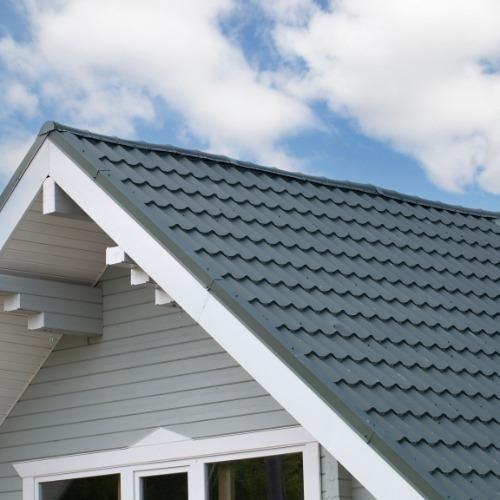
Seasonal shifts place different stresses on roofing materials. Winter cold can make shingles brittle, while melting snow challenges drainage and exposes weak points in valleys and around penetrations. Spring winds and heavy rain test fasteners and seals, and summer heat accelerates granule loss and ages sealants. By understanding these patterns, homeowners can time inspections and service calls for maximum impact, especially when working with a roofer gettysburg pa who knows local weather quirks and common architectural styles.
Choosing Qualified Help
A roof is a system, not just a surface. When selecting support, look for roofing contractors near me who document their findings, explain options clearly, and prioritize long-term performance over quick patches. Experienced roofing contractors gettysburg bring familiarity with historic homes, modern builds, and everything in between, tailoring solutions to pitch, ventilation, and neighborhood guidelines. Clear communication about materials, timelines, and safety practices builds confidence and gives homeowners a roadmap for care through the seasons.
When Repairs Can’t Wait
Post-storm moisture, shingle blow-offs, or visible staining on ceilings are signals to act quickly. Timely roof repair gettysburg can limit interior damage and preserve decking, insulation, and drywall. Even a small intrusion around a vent boot or chimney line can travel along rafters and show up far from the source. A prompt visit from a qualified roofer gettysburg pa helps locate the origin, assess the full scope, and complete a targeted fix that holds up through the next weather swing.
Materials and Methods That Matter
Shingle quality, underlayment type, fastener patterns, and proper flashing make a measurable difference in resilience. Ridge and soffit ventilation support temperature balance and moisture control, protecting the roof from inside out. Ice and water barriers in vulnerable areas reduce winter risks, while correct drip edge details improve run-off. Trusted roofing contractors gettysburg can recommend combinations that fit the home’s design and the region’s climate, with a focus on workmanship that stands up over time.
Maintenance Habits That Pay Off
Small, steady habits are the backbone of a sturdy roof. A seasonal routine keeps issues in check and reduces the chance of surprises during extreme weather. Integrate these steps into a yearly plan:
1) Schedule professional inspections at least twice a year to spot lifted shingles, failing sealant, or loose flashing before leaks develop.
2) After major storms, request a targeted check to identify wind or impact damage that may not be visible from the ground.
3) Keep valleys and roof surfaces free of debris that can trap moisture and speed deterioration.
4) Ensure gutters and downspouts are clear so water sheds quickly, limiting ice formation at edges.
5) Watch attic conditions for signs of poor ventilation, such as excess heat, frost, or musty odors, and address imbalances promptly.
6) Trim overhanging branches to reduce abrasion, shade-related moss growth, and limb impact during gusty weather.
7) Document roof age, material type, and previous repairs to inform future decisions and warranty discussions.
Weather-Smart Roofing Guidance for Gettysburg Homeowners
Residential Roofing Priorities in a Historic Climate
Gettysburg’s mix of historic homes and four-season weather makes roofing a year-round priority for homeowners. From humid summers to icy winters, roofs endure temperature swings, wind, and precipitation that can strain shingles, flashing, and decking. That’s why many residents rely on roofing contractors gettysburg for timely assessments, maintenance, and repairs that respect both architecture and durability.
Seasonal Pressures That Impact Roof Lifespan
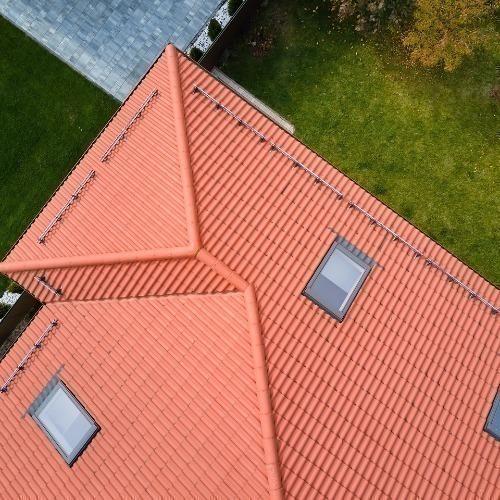
Late-summer heat can accelerate shingle aging, while fall leaves trap moisture in valleys and gutters. Winter brings freeze-thaw cycles that open small gaps into bigger leaks, followed by windy spring storms that can lift edges or scatter granules. In this environment, choosing a roofer gettysburg pa who understands local conditions is essential. Working with roofing contractors near me also supports quick response when a storm rolls through and you need attention fast.
Early Signs You Shouldn’t Ignore
It’s tempting to wait until a drip shows up on the ceiling, but by then damage may have traveled. Look for curling shingles, missing tabs, dark streaks, lifted flashing, or soft spots near skylights and chimneys. Gutters overflowing with grit point to shingle wear, and attic odors can signal hidden moisture. Prompt roof repair gettysburg can protect insulation, drywall, and framing before issues spread.
How to Choose the Right Local Pro
A dependable roofer does more than hammer nails. Clarity, communication, and craftsmanship matter. When evaluating roofing gettysburg pa options, ask about material knowledge, ventilation strategies, and how they handle tricky intersections like dormers and valleys. A roofer gettysburg pa familiar with historic profiles can suggest color and texture that align with neighborhood character while bolstering resistance to sun and wind.
A Practical Checklist for Homeowners
Use this simple, proactive process to stay ahead of costly problems:
1) Schedule seasonal inspections: Book a spring and fall check to catch storm or heat damage before it escalates.
2) Review attic ventilation: Proper intake and exhaust help manage moisture and temperature, extending shingle life.
3) Clear gutters and valleys: Keep water moving away from fascia, soffits, and foundations to reduce leak risk.
4) Document with photos: Snap before-and-after images so you can compare changes over time and verify completed work.
5) Address small fixes promptly: Replace lifted shingles, reseal flashing, and secure loose fasteners before weather worsens them.
6) Ask for material options: Discuss shingles designed for high winds or algae resistance suited to the local climate.
7) Confirm warranty details: Understand coverage for materials and workmanship and what maintenance keeps them valid.
Maintenance Builds Long-Term Value
Routine care is the most cost-effective way to support curb appeal and structural integrity. Light, consistent maintenance prevents premature aging and helps a roof last as designed. With trusted roofing contractors gettysburg at your side, homeowners can plan work around seasons, select proven materials, and document each step for peace of mind. If a sudden problem pops up, roof repair gettysburg performed quickly can protect interior finishes and prevent secondary issues like mold.
Navigating Insurance and Weather Events
When wind or hail hits, keep calm, gather photos, and contact your insurer promptly. A detailed inspection from roofing contractors near me provides an objective report to share with adjusters. The right specialist explains findings in plain language, outlines short-term stabilization if needed, and proposes a clear path forward. Transparent timelines and tidy job sites reduce disruption while ensuring repairs align with policy requirements.
Weather-Ready Roof and Siding Systems for Pennsylvania’s Changing Seasons
Pennsylvania’s climate is defined by sharp seasonal contrasts—icy winters, humid summers, heavy spring rains, and windy autumn transitions. Homes in Gettysburg and surrounding areas must rely on exterior systems that can adapt to these fluctuations without losing structural integrity or aesthetic value. Weather-ready roofing and siding systems focus on durability, moisture control, and thermal stability as integrated components of the home.

Seasonal Stress and System-Based Protection
Each season introduces unique challenges. Winter brings snow loads and freeze-thaw cycles that can lift shingles and strain fasteners. Spring storms introduce wind-driven rain that exploits weak flashing and siding joints. Summer heat accelerates material expansion and UV degradation, while fall debris clogs drainage systems. A weather-ready exterior system addresses all of these factors through layered protection rather than relying on a single material.
Roofing Materials Designed for Climate Resilience
Architectural asphalt shingles remain a reliable choice for many Pennsylvania homes due to their balance of flexibility and durability. Metal roofing systems provide superior snow shedding and wind resistance, making them ideal for exposed properties. Both options benefit from modern underlayments that resist moisture infiltration even if the outer layer is compromised. These hidden layers are essential for long-term weather performance.
Siding Systems That Support Moisture Control
Vinyl siding, fiber cement, and engineered wood products all play roles in weather-ready design. Proper installation includes drainage planes behind siding to allow trapped moisture to escape. This prevents rot, mold, and structural decay. Insulated siding options also improve thermal stability, reducing heat transfer during summer and minimizing cold air infiltration during winter.
Integrated Flashing and Transition Protection
Roof-to-wall intersections, window edges, and dormers are some of the most vulnerable points in any exterior system. Weather-ready construction uses upgraded flashing systems—such as step flashing, kick-out flashing, and continuous metal barriers—to direct water away from these junctions. When properly installed, these components significantly reduce long-term leak risk.
Ventilation and Energy Balance Across Seasons
Balanced ventilation systems help regulate attic temperature year-round. Soffit intake vents combined with ridge exhaust vents allow consistent airflow, reducing heat buildup in summer and moisture accumulation in winter. This balance not only protects roofing materials but also enhances indoor comfort and reduces energy costs.
Reliable Roofing Practices for Older Homes and New Construction in Gettysburg
Gettysburg features a unique mix of historic homes and modern developments, each requiring distinct roofing strategies. Older homes demand preservation-sensitive approaches, while new construction benefits from code-driven efficiency and modern materials. Reliable roofing practices bridge these two needs through careful planning, material selection, and installation precision.

Adapting to Historic Structural Constraints
Older homes often have irregular framing, steep roof pitches, and aging decking that may not meet modern load standards. Roofing systems must be lightweight, flexible, and compatible with existing structures. Synthetic slate and architectural shingles are often preferred because they reduce structural stress while preserving historic appearance.
Modern Construction and Performance Standards
New homes are built with standardized framing and updated codes, allowing greater flexibility in roofing choices. Builders often incorporate energy-efficient systems from the start, including high-performance underlayments and advanced ventilation designs. Metal roofing and premium asphalt systems are commonly used to meet durability and efficiency expectations.
Flashing Precision and Leak Prevention
Regardless of home age, flashing remains one of the most important elements in roof reliability. Chimneys, valleys, and wall intersections must be carefully sealed using layered metal systems. In older homes, custom flashing may be required to accommodate irregular masonry or altered roof geometry. In new construction, pre-engineered flashing systems ensure consistency and speed of installation.
Ventilation Strategy for Long-Term Performance
Proper airflow is essential for both old and new structures. In older homes, retrofitted ventilation must be carefully integrated to avoid disrupting historic design elements. In new homes, balanced systems are typically built into the design from the start. In both cases, poor ventilation leads to heat buildup, moisture retention, and premature material failure.
Maintenance Planning Across Home Types
Older homes benefit from frequent inspections due to aging materials and historical wear patterns. New construction requires less frequent intervention but still benefits from seasonal checks. In both cases, proactive maintenance—such as clearing debris, inspecting flashing, and monitoring attic conditions—extends roof lifespan and prevents costly repairs.
Exterior Improvement Strategies for Roofing and Siding in Gettysburg, PA
Exterior improvements in Gettysburg are about more than visual upgrades—they are essential investments in durability, efficiency, and long-term property value. Roofing and siding work together as a protective envelope, and coordinated improvements can significantly enhance performance across all seasons.

Coordinated Roof and Siding Upgrades
The most effective exterior improvements treat roofing and siding as a unified system. Upgrading both simultaneously allows for improved flashing integration, better moisture control, and consistent thermal performance. This approach reduces weak points where water or air could infiltrate the structure.
Material Pairing for Performance and Aesthetics
Combining roofing and siding materials strategically improves both function and appearance. For example, architectural shingles pair well with vinyl siding for cost-effective durability, while metal roofing complements fiber cement siding for a more modern, high-performance exterior. Color coordination also plays a role in enhancing architectural identity.
Energy Efficiency Through Exterior Enhancements
Exterior upgrades can significantly reduce energy consumption. Reflective roofing materials lower attic temperatures, while insulated siding reduces heat transfer through exterior walls. When combined with proper sealing and ventilation, these improvements create a more stable indoor environment year-round.
Drainage and Moisture Management Systems
Gutters, downspouts, and drainage extensions are often overlooked but essential components of exterior performance. Proper water management prevents foundation damage, siding deterioration, and roof edge decay. Seamless gutters and strategically placed downspouts improve efficiency and reduce maintenance needs.
Long-Term Value Through Preventive Design
The best exterior improvement strategies prioritize prevention. Reinforcing roof decking, upgrading flashing systems, and improving ventilation reduce the likelihood of future failures. When paired with durable siding and weather-resistant roofing materials, these upgrades ensure homes in Gettysburg remain resilient, efficient, and visually appealing for decades.
Residential Roofing Upgrades That Increase Property Value and Curb Appeal
Your roof plays a major role in the appearance, safety, and value of your home. Upgrading your roofing system not only improves protection from the weather but also enhances curb appeal and attracts potential buyers. Modern roofing materials and energy-efficient features can make your home more attractive while reducing long-term maintenance costs. Investing in the right roofing upgrades is a smart way to increase both comfort and property value.
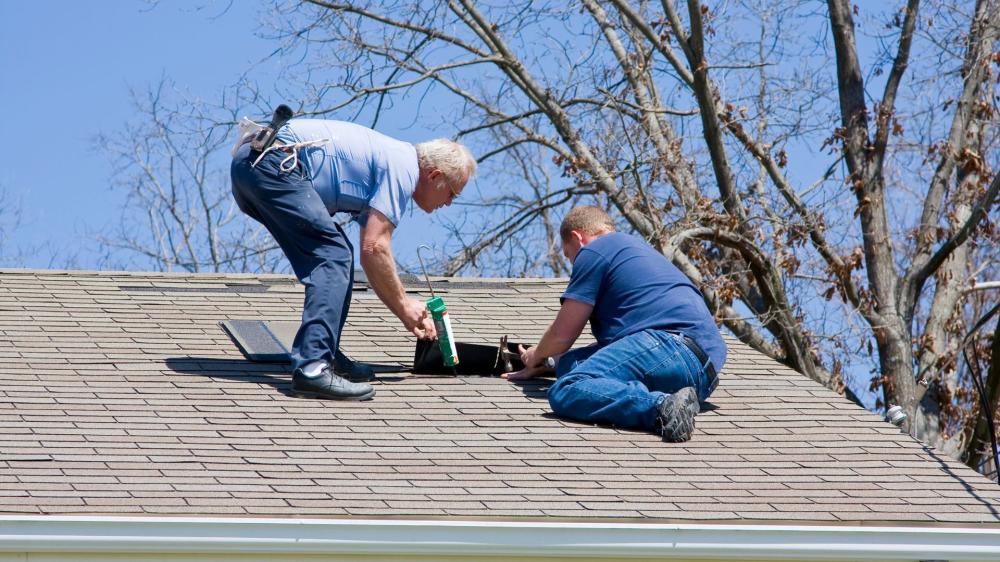
Install Modern Roofing Materials
Replacing an old roof with modern materials is one of the best upgrades homeowners can make. Asphalt shingles, metal roofing, and synthetic roofing products offer improved durability, better weather resistance, and attractive designs. These materials give your home a fresh appearance while providing long-lasting protection.
Choose Attractive Roofing Colors
The color of your roof has a significant impact on your home's overall appearance. Selecting a roofing color that complements your home's exterior creates a more appealing look. Neutral colors remain popular, while lighter shades can also improve energy efficiency by reflecting more sunlight.
Improve Roof Ventilation
Proper roof ventilation helps regulate attic temperatures and prevents moisture buildup. A well-ventilated roof improves energy efficiency, extends the lifespan of roofing materials, and creates a healthier indoor environment. This upgrade is attractive to buyers looking for energy-efficient homes.
Upgrade Gutters and Drainage
New gutters and improved drainage systems not only protect your roof but also enhance your home's exterior appearance. Seamless gutters and properly installed downspouts provide better water management while giving the home a cleaner and more modern look.
Add Energy-Efficient Features
Energy-efficient roofing options, such as reflective shingles or cool roofing materials, help reduce heat absorption during summer. These upgrades lower cooling costs and improve indoor comfort. Many homebuyers appreciate energy-saving features that reduce utility bills over the long term.
Hire a Professional Roofing Contractor
Professional installation ensures every roofing upgrade is completed correctly and meets local building standards. Experienced roofing contractors can recommend the best materials and design options for your home's style and climate. Quality workmanship increases the durability, appearance, and value of your roofing investment.
The Complete Guide to Roof Replacement Planning and Material Selection
Replacing a roof is a major home improvement project that requires careful planning. Choosing the right roofing materials and preparing for the installation process helps ensure a successful project with long-lasting results. By understanding your options and working with experienced professionals, you can select a roof that fits your budget, protects your home, and enhances its appearance.
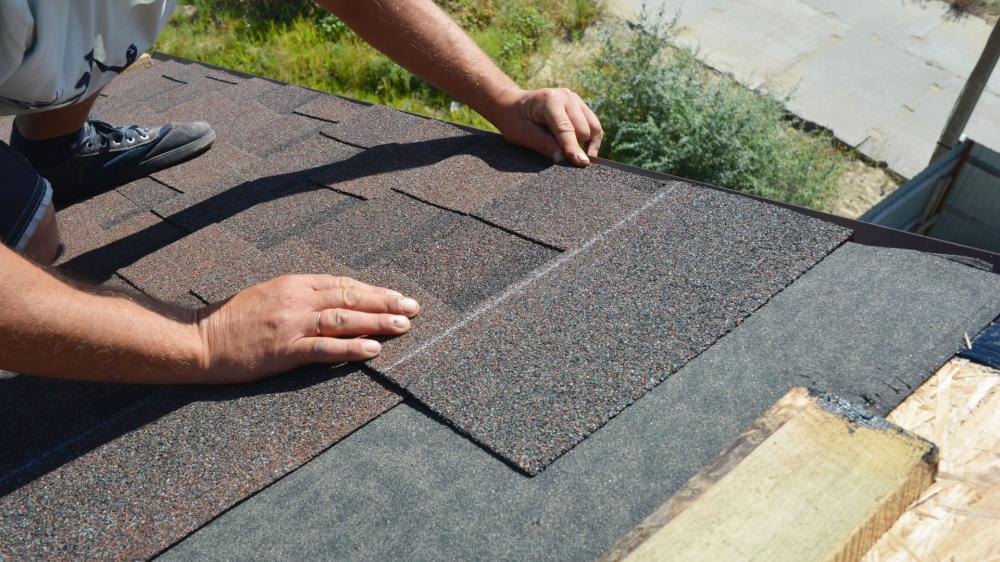
Know When Roof Replacement Is Needed
Every roof eventually reaches the end of its lifespan. Frequent leaks, missing shingles, sagging areas, and extensive storm damage are common signs that replacement may be necessary. If repairs become frequent and costly, replacing the entire roof is often the more practical and cost-effective solution.
Select the Right Roofing Material
There are many roofing materials available, each offering different benefits. Asphalt shingles are affordable and widely used, metal roofs provide excellent durability, while tile and slate offer exceptional longevity and unique styles. Consider your local climate, maintenance preferences, and budget when making your selection.
Plan Your Budget
Roof replacement costs vary depending on the size of the roof, materials, labor, and additional repairs that may be needed. Creating a realistic budget before the project begins helps avoid unexpected expenses. Investing in high-quality materials often provides better long-term value through reduced maintenance and longer service life.
Choose an Experienced Roofing Contractor
Hiring a qualified roofing contractor is essential for a successful roof replacement. An experienced professional will inspect your roof, explain your options, provide an accurate estimate, and complete the installation according to industry standards. Quality workmanship ensures your new roof performs as expected for many years.
Prepare Your Home for Installation
Before work begins, remove vehicles from the driveway, protect valuable items inside your home, and clear outdoor furniture or decorations near the work area. Preparing your property helps the installation process run more smoothly and reduces the risk of accidental damage during construction.
Maintain Your New Roof
After your new roof is installed, regular maintenance helps maximize its lifespan. Clean gutters, inspect the roof after severe weather, remove debris, and schedule periodic professional inspections. Proper maintenance keeps your roof in excellent condition and protects your home for decades to come.
Seasonal Roofing Care Checklist for Every Homeowner
Your roof protects your home throughout every season, but changing weather conditions can gradually affect its condition. Regular seasonal maintenance helps identify small issues before they become expensive repairs. By following a simple roof care checklist throughout the year, homeowners can extend the lifespan of their roofing system, improve energy efficiency, and protect their property from unexpected damage.
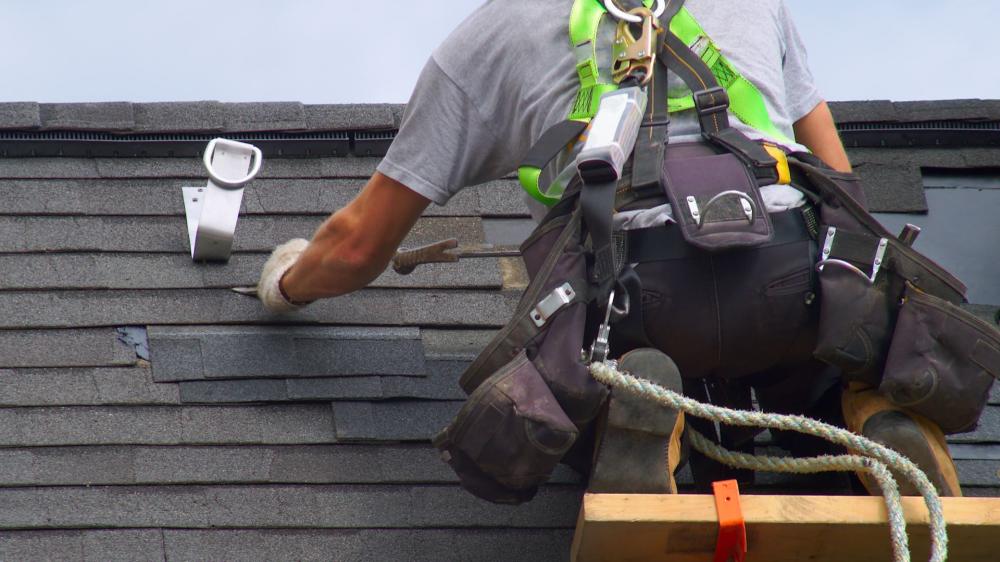
Inspect Your Roof Every Season
A visual roof inspection should be performed at least once every season. Look for cracked, curled, or missing shingles, damaged flashing, loose materials, and signs of wear around roof edges. After storms or strong winds, inspect the roof for fallen branches or other damage. Identifying problems early makes repairs easier and helps prevent leaks from developing.
Clean Gutters and Downspouts
Leaves, dirt, and debris can quickly block gutters and prevent rainwater from draining properly. Overflowing gutters may cause water to collect on the roof or near the home's foundation, increasing the risk of leaks and structural damage. Cleaning gutters and ensuring downspouts direct water away from the house should be part of every seasonal maintenance routine.
Remove Debris from the Roof
Branches, leaves, moss, and other debris can trap moisture against roofing materials. Over time, this moisture can lead to mold growth, wood rot, and damaged shingles. Carefully removing debris helps keep the roof dry and allows rainwater to flow freely. Trimming nearby tree branches also reduces the amount of debris that falls onto the roof.
Check Roof Flashing and Sealants
Flashing around chimneys, skylights, vents, and roof valleys helps prevent water from entering the home. Seasonal inspections should include checking for loose flashing, cracked sealant, or signs of rust. Replacing worn sealants and securing damaged flashing can prevent costly water damage and extend the life of the roofing system.
Inspect the Attic for Warning Signs
The attic provides valuable clues about your roof's condition. Look for water stains, damp insulation, mold, or sunlight shining through the roof boards. Proper attic ventilation should also be checked to ensure heat and moisture do not build up inside the home. Addressing attic problems early helps prevent larger roofing issues.
Schedule Professional Roof Maintenance
While homeowners can perform basic inspections, a professional roofing contractor can identify hidden problems that may not be visible from the ground. Scheduling a professional inspection once a year ensures your roof remains in excellent condition. Regular maintenance not only prevents major repairs but also extends the roof's lifespan and protects your home's overall value.
Homeowner Guide to Lasting Roof Performance in South‑Central Pennsylvania
Weather and Regional Challenges
Roofs in the Mid-Atlantic face four distinct seasons, fast temperature swings, and storm bursts that punish shingles, seams, and flashing. Hail and high summer UV can accelerate granule loss, while freeze-thaw cycles stress valleys and eaves. That’s why homeowners comparing roofing gettysburg pa options should look closely at complete systems, ventilation design, and materials that balance curb appeal with resilience.

Shingle Systems That Stand Up Over Time
Modern laminated shingles deliver more than color. A complete Owens Corning Asphalt Shingle Roof Replacement ties together underlayment, ice-and-water protection, starter strips, hip and ridge components, and balanced attic ventilation. Installed as a system, these parts help resist wind uplift, channel water away from nails, and reduce heat buildup that can age shingles prematurely. For many households considering a roofer gettysburg pa, a well-specified shingle system offers an excellent mix of value, warranty strength, and architectural style.
The Appeal of Standing Seam Metal
Standing Seam Metal Roof Installation/Replacement brings sleek lines and exceptional weather shedding. Interlocking panels with concealed fasteners reduce the risk of leaks at penetrations and endure decades of seasonal stress with minimal maintenance. Properly detailed ridge caps, snow guards, and eave trim are essential in snow country. Metal reflects solar heat, and when paired with the right underlayment, can quiet rain and improve overall energy performance. Homeowners browsing for roofing contractors near me often compare metal to shingle systems for longevity and storm resistance.
Siding and the Building Envelope
The roof is part of a larger weather barrier. Vinyl Siding Replacements can bolster the home’s defense by integrating housewrap, flashing at windows and doors, and properly sealed transitions where walls meet soffits. This coordination matters for moisture control, energy efficiency, and the life of the roofing system. When the roof and siding work together, attic temperatures stabilize, ice dams are less likely, and exterior maintenance becomes more predictable.
Knowing When to Repair or Replace
Small problems can grow fast when water gets past the surface. Homeowners seeking roof repair gettysburg should look for timely responses and clear diagnostics. A thorough inspection traces leaks to their source—think step flashing at sidewalls, pipe boots, chimney counterflashing, or ventilation imbalances. When age, widespread granule loss, or multiple leaks appear, a system-level replacement may be the smarter long-term move.
What to Look For in a Local Pro
Choosing among roofing contractors gettysburg is easier with a checklist:
- Factory-trained crews familiar with complete shingle systems and standing seam details
- Written scope and materials list, including underlayments and ventilation components
- Clear photos or videos documenting existing issues and proposed solutions
- Proof of insurance and local references
- Post-project cleanup standards and workmanship assurances
Maintenance Tips That Pay Off
A little upkeep adds years to any roof. Keep gutters clear so water moves off the eaves; clogged runs can force water under the first course of shingles. Trim back overhanging branches to limit abrasion and shade-driven moss. After major storms, a visual check from the ground for displaced shingles, bent panels, or loose flashing can catch problems early. In older homes, upgrading attic insulation and ensuring balanced intake and exhaust ventilation reduces ice dam risks and helps the roof perform as designed. For households weighing options with a roofer gettysburg pa, pairing a strong roofing system with thoughtful envelope improvements delivers reliable comfort, lower utility strain, and a cleaner exterior profile season after season.
Smart Choices for Lasting Roofs in Gettysburg, PA
The Homeowner’s Guide to Materials, Maintenance, and Local Expertise
Weather in south-central Pennsylvania can be hard on shingles, metal panels, and siding alike. Between summer heat, sudden downpours, and winter freeze-thaw cycles, homeowners in and around Gettysburg need solutions that balance curb appeal, durability, and value. Whether you’re comparing materials or planning a seasonal checkup, the right approach keeps your home protected and efficient for years.

Why Local Expertise Makes a Difference
Homes in the region benefit from pros who understand historic architecture, tree cover, and steep-slope roof details common to the area. Working with roofing contractors gettysburg ensures familiarity with local building practices and region-specific wear patterns. When you’re considering options, choosing a roofer gettysburg pa means faster assessments, quicker site visits, and advice grounded in real neighborhood conditions. That local context becomes crucial during severe weather, when timely guidance can prevent minor concerns from turning into larger issues.
Material Choices That Stand Up to the Climate
For homeowners focused on long-term value, Owens Corning Asphalt Shingle Roof Replacements (complete systems) provide balanced performance, wind resistance, and a clean, finished look. Integrated underlayments, vents, and accessories help the entire assembly work as a system. If a sleek profile and exceptional longevity are priorities, Standing Seam Metal Roof Installation/Replacement offers strong weather shedding, reduced maintenance, and energy-conscious color choices. To refresh exterior looks and improve protection from the elements, Vinyl Siding Replacements can complement both shingle and metal roofing while boosting curb appeal.
Signs It’s Time to Act
Visible granule loss, lifted edges, staining on ceilings, or loose flashing can signal problems that should be addressed promptly. Homeowners searching for roofing gettysburg pa often start after noticing a leak or shingle damage following a storm. A quick call to roofing contractors near me can get a qualified technician on site to evaluate conditions. If a small patch or sealing fix can reduce risk, fast roof repair gettysburg can help stabilize the situation and buy time to plan a larger project.
What to Expect During Replacement
A thoughtful replacement begins with a clear scope, from tear-off and deck inspection to underlayment selection and ventilation planning. Crews should protect landscaping, manage debris, and maintain safe access around the property. For asphalt systems, aligning components from a single manufacturer helps with compatibility and warranty coverage. For standing seam metal, precise panel layout, secure attachment, and proper flashing at intersections reduce the chances of water intrusion. Good communication about timelines and daily cleanup keeps the process smooth from start to finish.
A Practical Action Plan for Homeowners
1) Schedule a seasonal inspection: Early spring and late fall are ideal times to look for wind-lifted shingles, nail pops, and flashing gaps.
2) Document what you see: Take clear photos of missing tabs, rust spots, or staining so a pro can verify concerns quickly.
3) Prioritize immediate fixes: If there’s active dripping, arrange prompt roof repair gettysburg to minimize interior damage.
4) Compare system options: For longevity and balance, consider Owens Corning Asphalt Shingle Roof Replacements (complete systems); for a modern profile, weigh Standing Seam Metal Roof Installation/Replacement.
5) Coordinate exterior updates: If siding shows cracks, warping, or fading, explore Vinyl Siding Replacements alongside roofing work to align colors and boost efficiency.
6) Confirm ventilation and flashing: Proper airflow and well-sealed transitions at chimneys, valleys, and walls help the new system last.
7) Keep a maintenance calendar: Gentle debris removal and gutter checks each season can prevent moisture buildup and ice-related stress.
Closing Paragraph:
Homes in Gettysburg deserve solutions built around local conditions and dependable materials. By pairing trusted guidance from roofing contractors gettysburg with careful planning and quality components, it’s easier to protect your investment. Whether you reach out to roofing contractors near me for a quick assessment or consult a roofer gettysburg pa for a full replacement, attention to details—from ventilation to flashing—pays off. With the right choices and steady upkeep, roofing gettysburg pa can handle the region’s shifting seasons while maintaining the character and comfort that make a house feel like home
Weather-Smart Roofing and Siding Choices for Lasting Protection in Gettysburg
Reliable exteriors start with understanding how local weather shapes material performance. In and around Gettysburg, freeze-thaw cycles, summer heat, and occasional wind-driven rain can stress a roof and siding system. Homeowners comparing options often look for guidance from roofing contractors gettysburg who understand neighborhood architecture and seasonal patterns. The goal is a durable, energy-conscious exterior that preserves curb appeal and simplifies upkeep.

A Practical Guide to Long-Lasting Roofs and Siding in Adams County
Climate Considerations That Influence Materials
Central Pennsylvania experiences temperature swings that challenge sealants, fasteners, and flashing. Asphalt shingles need proper attic ventilation to shed heat and moisture, while metal panels benefit from precise hemming and clip spacing to accommodate thermal movement. When weighing choices, many residents search for roofing contractors near me to evaluate attic airflow, underlayment selection, and ridge detail because small adjustments can prevent premature wear. Timely attention also matters. If shingles curl, granules wash out, or stains appear on ceilings, swift roof repair gettysburg can stop minor issues from turning into structural headaches.
Material Spotlight—Asphalt, Metal, and Siding Upgrades
Homeowners favor Owens Corning Asphalt Shingle Roof Replacements (complete systems) for a balanced blend of style and resilience. A complete system typically integrates matching components such as underlayments, starter courses, and ridge materials engineered to work together. For those seeking sleek lines and exceptional weather shedding, Standing Seam Metal Roof Installation/Replacement offers interlocking panels and concealed fasteners that resist uplift when storms roll through roofing gettysburg pa neighborhoods. Alongside a dependable roof, Vinyl Siding Replacements can refresh a façade, reduce painting chores, and pair with modern trim details for a clean, cohesive look.
How to Evaluate a Roofer and Project Scope
Choosing the right partner starts with communication. A trusted roofer gettysburg pa should provide a clear scope, define the ventilation plan, and describe how drip edges, flashing, and ridge components will be handled. Written timelines help set expectations around staging, tear-off, weather allowances, and cleanup. It’s also wise to ask about disposal methods, property protection, and how crews safeguard landscaping. A strong proposal highlights product lines, color options, and accessory compatibility so the finished system performs as intended.
Homeowner Checklist Before Work Begins
Use this step-by-step list to prepare and ensure a smooth project:
1. Inspect interior ceilings and attic for stains or damp insulation so issues can be addressed during replacement or repair.
2. Confirm ventilation strategy, including intake and exhaust balance, to protect shingle warranties and extend roof life.
3. Review flashing details at valleys, chimneys, and sidewalls, since these transition points handle concentrated water flow.
4. Clarify underlayment choices and ice protection at eaves to combat freeze-thaw and wind-driven rain.
5. Coordinate deliveries, driveway access, and start times to minimize disruption and keep the site efficient.
6. Photograph pre-project conditions around patios, plantings, and walkways to verify proper protection and cleanup.
7. Request a walkthrough on the final day to confirm fastener placement, ridge finishing, and debris removal.
Maintenance Tips for Ongoing Performance
Seasonal attention sustains value after a new roof or siding upgrade. Keep gutters clear so water exits quickly; pooling at eaves shortens shingle life. After major storms, look for lifted edges, missing ridge caps, or dented metal accessories. Trimming back overhanging branches reduces abrasion and organic buildup. For vinyl siding, a gentle wash with mild soap keeps color vibrant without harsh chemicals. If anything seems off—like granule piles at downspouts or creases in metal flashing—schedule a quick inspection with experienced roofing contractors gettysburg who know local codes and best practices.
A well-planned exterior project blends material quality with craftsmanship and follow-through. Whether you’re considering Owens Corning Asphalt Shingle Roof Replacements (complete systems), upgrading to Standing Seam Metal Roof Installation/Replacement, or exploring Vinyl Siding Replacements, a methodical approach brings long-term comfort, reliable protection, and a polished look that fits the character of roofing gettysburg pa homes.
Weather-Smart Roofing in Gettysburg: Seasonal Care, Materials, and Maintenance

Weather Patterns That Shape Roof Performance
South-central Pennsylvania experiences humid summers, freeze-thaw winters, and gusty spring storms. Those shifts can test shingles, flashing, and ventilation. Homeowners who plan seasonal care see fewer leaks and longer service life. Searching for roofing contractors near me is often the first step, but understanding what your roof faces—sun exposure, wind uplift, and ice dams—helps you ask better questions and choose better solutions.
Material Matchups for Local Conditions
Asphalt shingles remain a go-to option for durability and value, with improved impact ratings and algae resistance that help in this climate. Metal panels have strong wind performance and shed snow efficiently on steeper pitches. Each system benefits from balanced attic airflow and modern underlayments. When comparing options, consult experienced pros like roofing contractors gettysburg for guidance on profiles, fasteners, and underlayment that suit neighborhood standards and your home’s architecture.
Ventilation and Insulation Matter
Proper ventilation reduces attic heat in July and moisture in January. Without it, shingles age prematurely and decking can swell. Pair ridge and soffit vents to create consistent intake and exhaust, and ensure baffles keep air channels clear. Equally important, attic insulation minimizes ice-dam risk by keeping heat inside the living space instead of melting roof snow. If you notice uneven snow melt, consider an inspection before winter returns.
Maintenance That Pays Off
Routine checks often catch small problems before they grow. A thoughtful plan can include:
- Clearing gutters and downspouts each fall
- Inspecting flashing around chimneys, skylights, and vents
- Trimming branches away from eaves and ridgelines
- Checking fasteners and sealant at penetrations
- Looking for granule loss or lifted shingle edges after storms
If you spot staining on ceilings or damp insulation, prompt attention prevents structural damage. Timely roof repair gettysburg services can address localized issues like cracked flashing, missing tabs, or nail pops long before a replacement is considered.
Storm Readiness and Follow-Through
Thunderstorms can roll through with driving rain and sudden gusts. Before storm season, secure loose items in the yard, confirm gutter pitch for drainage, and photograph roof surfaces for baseline documentation. After a blow, walk the property, look for shingle fragments, and scan ceilings for new spots. Professional assessments from a roofer gettysburg pa can verify whether lifted edges, creased tabs, or hail impacts have compromised protection. Transparent recommendations and clear scopes of work help you plan confidently.
Choosing Local Expertise
Working with roofing gettysburg pa specialists brings practical knowledge of township guidelines, historical district considerations, and supplier lead times. Local teams are familiar with common siding intersections, masonry details at older chimneys, and ventilation setups found in regional homes. When vetting providers, ask about manufacturer credentials, warranty options, and safety practices. Clear communication, documented findings, and photo reports during and after the job make the process smoother. In a community where homes face four true seasons, the right partner ensures your roof stands up to the next forecast and the one after that.
|
