Five Essential Practices Shaping Modern HVAC Performance and Indoor Air Quality
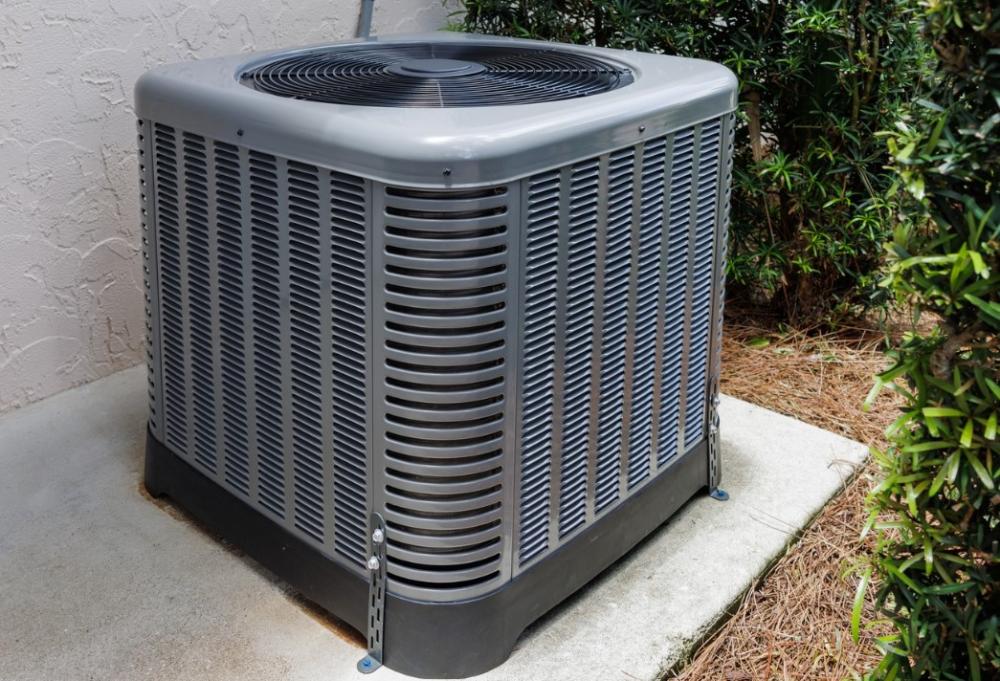
Modern HVAC work balances comfort, energy efficiency, and healthy indoor air through careful design, diligent maintenance, and data-driven controls.
Thoughtful System Design and Accurate Load Calculations
Every reliable HVAC installation begins with a design that matches the building’s unique heat gain and loss profile. Proper load calculations consider orientation, insulation levels, window types, occupancy patterns, and internal equipment that adds heat. When systems are oversized, they short-cycle, wasting energy and missing critical dehumidification; when undersized, they struggle during temperature extremes. A careful design also includes right-sized ductwork, correct refrigerant line lengths, and strategically placed returns for balanced airflow. For example, a home office with abundant afternoon sun may need dedicated supply registers or shading strategies to prevent hot spots. On the commercial side, open-plan offices benefit from zoning and diffuser placement that account for shifting occupancy. The goal is an integrated design that keeps temperatures even, humidity in check, and noise low, while preserving long-term system reliability.
Air Distribution: Duct Integrity, Sealing, and Cleanliness
Distribution is the heartbeat of comfort. Even the most advanced equipment performs poorly if ducts leak, sag, or are poorly insulated. Technicians prioritize tight connections, mastic or UL-listed tape for sealing, and proper support spans to prevent kinks. In humid regions, insulating supply ducts reduces condensation risk and protects indoor air quality. Over time, dust, construction debris, and allergens can accumulate in ductwork and registers, especially after remodeling or in buildings with frequent occupancy changes. When inspections reveal buildup that could restrict airflow or impact cleanliness, air duct cleaning becomes part of the maintenance conversation. The process should be performed with containment and high-efficiency filtration to avoid reintroducing dust into the space. A clean and sealed distribution network reduces static pressure, helps maintain design airflow, and supports consistent temperatures across rooms. An example: sealing a return plenum leak that was drawing attic air can significantly improve comfort and reduce dust at supply registers.
Smart Controls, Zoning, and Ventilation Strategy
Controls have evolved from simple thermostats to intelligent systems that learn schedules, track run times, and optimize setpoints for efficiency. Zoning divides a building into areas with individual control, allowing the system to meet demand where it actually exists instead of conditioning the entire structure uniformly. This is particularly effective in multi-story homes and mixed-use commercial spaces. Demand-controlled ventilation uses sensors to modulate fresh air based on occupancy or carbon dioxide levels, aligning indoor air quality with real-world usage. In practice, a retail store can ramp up ventilation during peak hours and scale back when traffic slows, improving comfort while managing energy use. Smart controls also provide alerts for filter changes, unusual cycles, or temperature drift, prompting early intervention before minor issues become disruptions. Together, zoning and smart ventilation contribute to steadier humidity, quieter operation, and lower utility costs without sacrificing occupant comfort.
Preventive Maintenance and Proactive Component Care
Scheduled maintenance preserves performance, extends equipment life, and protects warranties. Technicians check airflow, clean coils, verify refrigerant charge within manufacturer guidelines, and test electrical connections under load. Filters are matched to the application—higher MERV ratings for allergy-prone homes or sensitive commercial spaces, and appropriately sized to avoid excessive static pressure. Drain lines are cleared to prevent water damage and microbial growth. Outdoor units are kept free of vegetation and debris to promote heat exchange. A practical example: gently cleaning a heavily fouled condenser coil can restore capacity and reduce compressor strain, which stabilizes comfort during heat waves. Maintenance visits also catch early signs of wear, such as pitted contactors, weak capacitors, or blower imbalance. Addressing these items proactively keeps systems reliable for the highest-demand days. Documentation of maintenance findings helps building managers plan budgets and schedule upgrades in a predictable, low-stress manner.
Indoor Air Quality Integration and Responsible Upgrades
Comfort is inseparable from the air people breathe. Industry best practices pair filtration, ventilation, humidity control, and source management to create a holistic indoor air quality plan. For filtration, right-sizing the filter rack and sealing bypass gaps ensures the media actually captures particles rather than allowing air to sneak around the edges. Dehumidifiers or variable-speed systems manage moisture to curb mold pressure and protect finishes. Balanced ventilation—often via energy or heat recovery devices—introduces outdoor air efficiently. When conditions or remodeling introduce dust or odors, supplemental measures like targeted exhaust or enhanced filtration can help. Equipment upgrades focus on reliability and efficiency, including variable-speed blowers for smooth airflow and better latent control. Retrofit decisions weigh duct condition, building envelope improvements, and control strategies to ensure gains are meaningful. For instance, tightening a building’s shell and sealing duct leaks before equipment replacement can allow for a smaller, quieter system that maintains comfort with less energy, benefiting owners and occupants alike.
The Evolving HVAC Landscape: Efficiency, Comfort, and Indoor Air Quality

Heating, ventilation, and air conditioning professionals are navigating a fast-moving landscape shaped by efficiency mandates, smart technology, and elevated expectations for indoor air quality.
High-Efficiency Equipment and Right-Sizing Lead Modern Design
Across residential and light commercial projects, the push toward high-efficiency furnaces, variable-speed air handlers, and inverter-driven heat pumps reflects a clear industry shift. Properly matched components and right-sized systems reduce short cycling, limit temperature swings, and help achieve optimal humidity control. In practical terms, this means a 2,000-square-foot home may not benefit from the largest unit on the shelf; it benefits from a correctly sized system that meets load requirements determined by a thorough calculation. Contractors increasingly rely on detailed load assessments, improved duct design, and balanced airflow to unlock the promised efficiency and comfort. The conversation no longer stops at equipment ratings; it extends to the entire system—envelope, ventilation strategy, and controls—working as a cohesive whole.
Electrification and Heat Pumps Expand Climate-Ready Options
Heat pumps have matured into a versatile solution for many regions, delivering dependable heating and cooling while reducing direct fossil fuel use. The latest cold-climate models, paired with variable-speed compressors, can maintain stable indoor conditions even as outdoor temperatures dip. Dual-fuel configurations, where a heat pump partners with a gas furnace, give property owners flexibility to switch based on outdoor conditions or energy costs. Examples include homes with existing gas service that want the efficiency of a heat pump for most of the year, while retaining the furnace for peak cold snaps. Whether the project calls for a packaged unit or a ducted or ductless split system, the design approach now weighs comfort, acoustic performance, and lifecycle cost, not simply upfront price.
Smart Controls and Zoning Elevate Everyday Comfort
Smart thermostats, remote sensors, and zoning dampers are changing how people interact with HVAC equipment. With zoning, a two-story home can manage separate temperature setpoints upstairs and downstairs, reducing the common problem of hot second floors. Remote sensor placement—such as in a frequently used bedroom or home office—can fine-tune how the system responds to actual occupancy patterns. For light commercial spaces, scheduling and geofencing features align equipment operation with business hours, cutting unnecessary run time. The result is not only improved comfort but also more predictable energy use. When controls are configured alongside proper airflow balancing and duct sealing, users often notice quieter operation, fewer temperature swings, and a more consistent indoor environment.
Indoor Air Quality Gains Priority: Filtration, Ventilation, and Clean Ductwork
Indoor air quality is front and center, guided by a layered approach: filtration to capture particulates, ventilation to dilute contaminants, and moisture control to prevent mold and mildew. Upgrading to media filters with higher capture efficiency, when compatible with the system’s pressure limitations, can improve particulate removal without compromising airflow. Balanced ventilation strategies introduce fresh air and help manage indoor pollutants generated by everyday activities. Air duct cleaning also plays a role when ductwork contains debris, construction dust, or visible contaminants that can impede airflow and recirculate particulates. In older homes that have undergone remodeling, for instance, cleaning supply and return ducts after the work can help reset a system’s cleanliness baseline. Pairing clean ductwork with properly sealed and insulated ducts further enhances performance, ensuring conditioned air arrives where it is needed with minimal loss. Consistent maintenance—filter changes, coil cleaning, and verifying condensate drainage—supports healthy indoor conditions over the long term.
Preventive Maintenance and Lifecycle Planning Protect Investments
Preventive maintenance turns complex mechanical systems into dependable, everyday performers. Seasonal tune-ups typically include checking refrigerant conditions, verifying airflow, cleaning coils, clearing condensate lines, and ensuring all electrical connections are secure. These steps help catch issues like restricted airflow or worn components before they escalate into discomfort or downtime. Consider a small office suite: neglecting coil cleanliness can lead to reduced capacity, longer run times, and higher utility bills. By contrast, a documented maintenance plan with clear checkpoints keeps the system stable through peak cooling and heating seasons. Lifecycle planning goes a step further, evaluating when retrofits—such as ECM blower motors, improved controls, or targeted duct repairs—make sense compared to full replacement. Thoughtful planning aligns comfort, efficiency, and budget, so equipment updates happen proactively rather than during an emergency heat wave or cold snap.
